
Buy the Complete Kit

Senior Living AED Kit

A Philips HeartStart OnSite AED Ready-Pack with spare pads and its carry case, an alarmed Philips AED wall cabinet, AED awareness posters and a response kit.

Kit Total
$2,218.00
See What’s in the Kit
Senior Living & Assisted Living

Your residents are the highest-risk population. Your staff needs to see what to do.

Senior living facilities house the most cardiac-vulnerable population. The Defibtech LifeLine View's full-motion VIDEO guidance shows staff exactly what to do — not just tells them. When your caregivers and aides are the first responders, visual confirmation removes the fear.
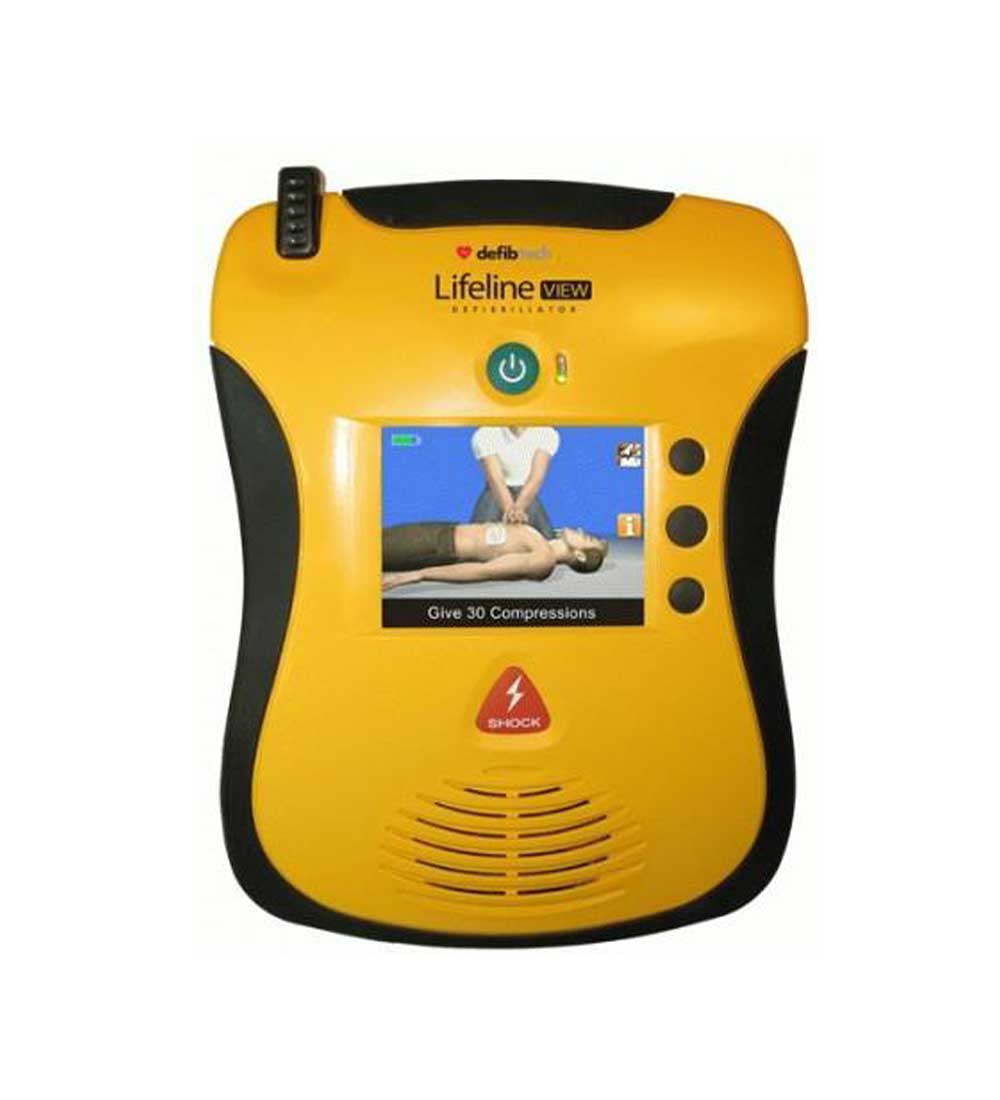
Defibtech LifeLine View AED
Video Guidance
Full-Motion VideoSee exactly what to do
80%
Of cardiac arrests happen in residential settings — including senior facilities
65+
Age group with highest cardiac arrest incidence — your core resident population
−10%
Survival drops every minute without defibrillation
Video
Full-motion guidance — see every step, don't just hear it
Why Your Facility Needs an AED
Your residents are the population most likely to experience sudden cardiac arrest. Your caregivers and aides are the first responders. Give them a device that eliminates hesitation.

Highest-Risk Residents

Seniors 65+ have the highest cardiac arrest incidence of any demographic. Your facility houses dozens or hundreds of the most vulnerable population — an AED isn't optional, it's essential.

Video Eliminates Hesitation

CNAs, aides, and caregivers may freeze with a voice-only AED. The LifeLine View shows full-motion VIDEO of each step — pad placement, CPR technique, shock delivery. Seeing what to do removes the fear.

24/7 Coverage, Any Shift

Night shift aides, weekend staff, per-diem CNAs — your coverage varies. Video and voice guidance mean any caregiver on any shift can respond effectively with zero advance training.

Defibtech LifeLine View AED
When Your Rescuers Need to See, Not Just Hear
Overnight aides and per-diem CNAs don't have time for AED training. Full-motion video shows them exactly what to do in real time — no guessing, no hesitation.
  • Full-motion video display — shows each rescue step with clear animations alongside voice prompts
  • Simple operation — video and voice prompts show a stressed caregiver at 3 AM which button to press
  • Voice + video dual guidance — redundant guidance for hard-of-hearing staff or noisy environments
  • Automatic daily self-tests — device confirms rescue readiness without adding to staff workload
  • Rugged design — tested to U.S. military drop and shock specifications, with daily self-tests
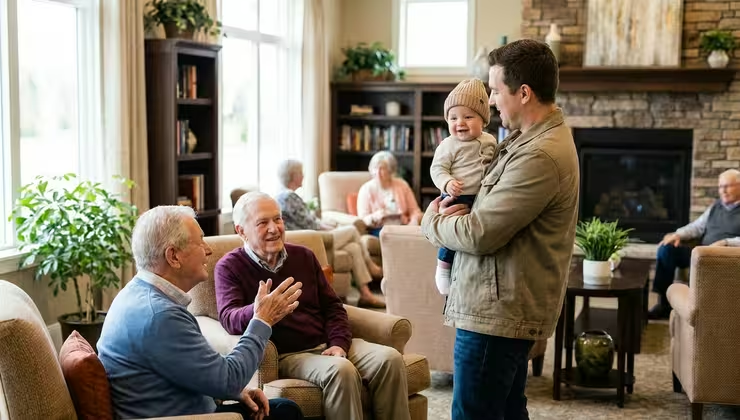
Adults, Children & Infants
Works on adults, children, and infants. While your primary population is seniors, pediatric pads are available for grandchildren visiting or in intergenerational programs.
AED use on infants

Infants

Pediatric pads, sold separately
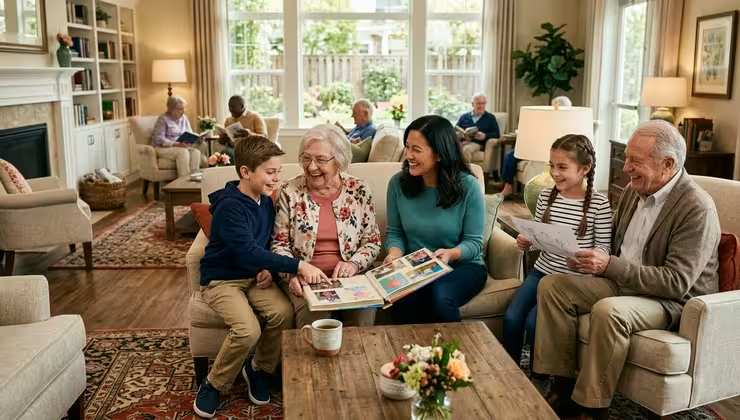
AED use on children

Children

Pediatric protocol auto-adjusts
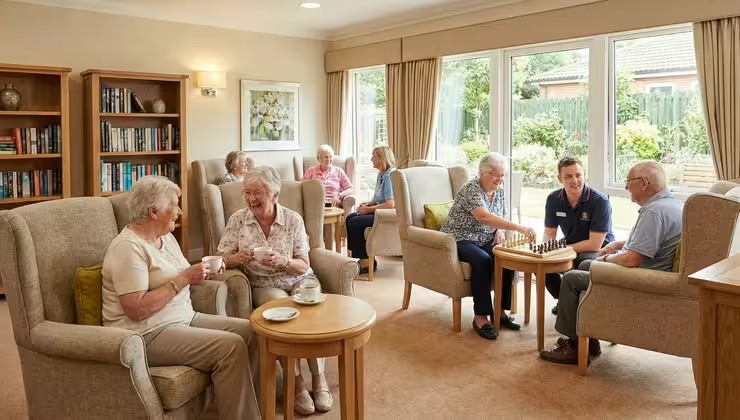
AED use on adults

Adults

Standard pads included

Watch How Video Guidance Works
Full-motion video shows each rescue step — giving even first-time responders the confidence to act when a resident collapses.
Defibtech LifeLine View AED Features

Video Display

Full-motion rescue animations — visual confirmation of every step.

Voice + Video

Dual guidance for hard-of-hearing staff and noisy dining halls.

Simple Controls

Video and voice prompts show which button to press. Works for any caregiver on any shift.

Auto Self-Test

Confirms readiness daily without adding to caregiver workload.

All Ages

Primarily for residents, but pediatric pads available for visitors.

Daily Self-Tests

Daily self-tests and a durable design tested to military drop and shock specifications.

Where to Put It in Your Facility
Target a 3-minute walking radius from any resident room. Place units near common areas where residents gather.
🏥

Nursing Station

Staff always present

🍽️

Dining Room

Largest resident gatherings

🎲

Activity Room

Social events, exercise classes

🛏️

Resident Wings

Near rooms, accessible at night

Frequently Asked
Why the LifeLine View for senior living?+
Video guidance is the key differentiator. CNAs and overnight aides who've never used an AED need to see what to do, not just hear it. Video and voice prompts show which button to press, even at 3 AM.
Can CNAs and overnight aides use this?+
Yes — that's exactly who it's designed for. Full-motion video shows each step and voice prompts provide backup guidance, so there is little to figure out under stress.
Do state regulations require AEDs in senior living?+
Requirements vary by state and facility type (independent living, assisted living, skilled nursing). Many states require or strongly recommend AEDs. Having an AED program is increasingly viewed as standard of care. Contact us for guidance specific to your state.
How do we handle multiple floors?+
Place an AED on each floor or wing to ensure a 3-minute response time. The LifeLine View's automatic self-testing means staff don't need to manually check each unit daily.
What maintenance is required?+
Automatic daily self-tests handle monitoring. Electrode pads and battery need periodic replacement — the device alerts in advance. Assign a charge nurse or safety coordinator to do a weekly visual check.
What about residents with pacemakers?+
AEDs are safe for patients with pacemakers and ICDs. The device analyzes the rhythm and only shocks when needed. Place pads at least 1 inch from any implanted device.

Your Residents Deserve Immediate Response

The Defibtech LifeLine View ships rescue-ready with video guidance, voice prompts, and daily self-tests. Built for the staff who care for your most vulnerable population.

Multi-facility operator? We offer volume pricing across your senior living portfolio.