



AED Requirements in Virginia
Virginia requires each local school board to place an AED in every public elementary and secondary school (Va. Code § 22.1-274.4), and each public school to keep a cardiac emergency response plan or athletic emergency action plan (Va. Code § 22.1-271.9). Every health club location must have a working AED (Va. Code § 59.1-296.2:2).
Virginia AED Law Overview
Virginia requires each local school board to place an AED in every public elementary and secondary school (Va. Code § 22.1-274.4), and each public school to keep a cardiac emergency response plan or athletic emergency action plan (Va. Code § 22.1-271.9). Every health club location must have a working AED (Va. Code § 59.1-296.2:2).
Every year, over 350,000 cardiac arrests occur outside of hospitals in the United States. For every minute that passes without defibrillation, the chance of survival drops by 7-10%. Having an AED on-site and trained staff ready to use it can mean the difference between life and death.
Whether Virginia mandates AED placement for your organization or not, the investment in an AED program protects your employees, customers, and community — and can significantly reduce liability exposure.
Specific Requirements
- Public elementary and secondary schools: an AED in every school, under a school board plan for its placement, care and use (Va. Code § 22.1-274.4)
- Public schools: a cardiac emergency response plan or athletic emergency action plan with AEDs at school athletic venues, yearly drills and a yearly review (Va. Code § 22.1-271.9)
- School buildings: at least three employees with current first aid, CPR and AED certification or training, or two in buildings with fewer than 10 instructional and administrative staff (Va. Code § 22.1-274)
- Health clubs, as defined in Va. Code § 59.1-296: a working AED at each location (Va. Code § 59.1-296.2:2)
Sources
- Code of Virginia § 22.1-274.4
- Code of Virginia § 22.1-271.9
- Code of Virginia § 22.1-274
- Code of Virginia § 59.1-296.2:2
These summaries were last checked against the official sources above in October 2026. This page is general information, not legal advice. Other state or local rules may also apply; check the current law or ask an attorney about your organization.
Who Needs an AED in Virginia?
Offices & Workplaces
Corporate offices, coworking spaces, and business parks
The American Heart Association reports that 10,000 cardiac arrests occur in the workplace each year. Having an AED can increase survival rates by up to 70%.
Schools & Universities
K-12 schools, colleges, and educational institutions
Student athletes and staff are at risk of sudden cardiac arrest. Many states now mandate AEDs in schools.
Gyms & Fitness Centers
Health clubs, yoga studios, CrossFit boxes, and recreation centers
Intense physical activity can trigger cardiac events. Most states require AEDs in fitness facilities.
Churches & Places of Worship
Churches, synagogues, mosques, and community halls
Large gatherings of all ages, often with elderly congregants, make AEDs essential for community safety.
Restaurants & Hotels
Restaurants, hotels, resorts, and hospitality venues
High foot traffic and diverse demographics make AEDs critical for guest safety and liability protection.
Construction & Industrial Sites
Construction sites, warehouses, manufacturing plants
Physical labor, heat stress, and remote locations make rapid cardiac response critical.
Sports Facilities
Stadiums, arenas, sports complexes, and athletic fields
Athletes of all ages face cardiac risks during high-intensity activity.
Medical & Dental Offices
Doctor offices, dental practices, outpatient clinics
Even in medical settings, an AED provides immediate response before advanced care arrives.
Virginia AED Compliance Checklist
Recommended AEDs for Virginia Compliance

Philips HeartStart OnSite AED
Semi-automatic Philips AED for offices, schools and other indoor workplaces. Voice prompts and a CPR...
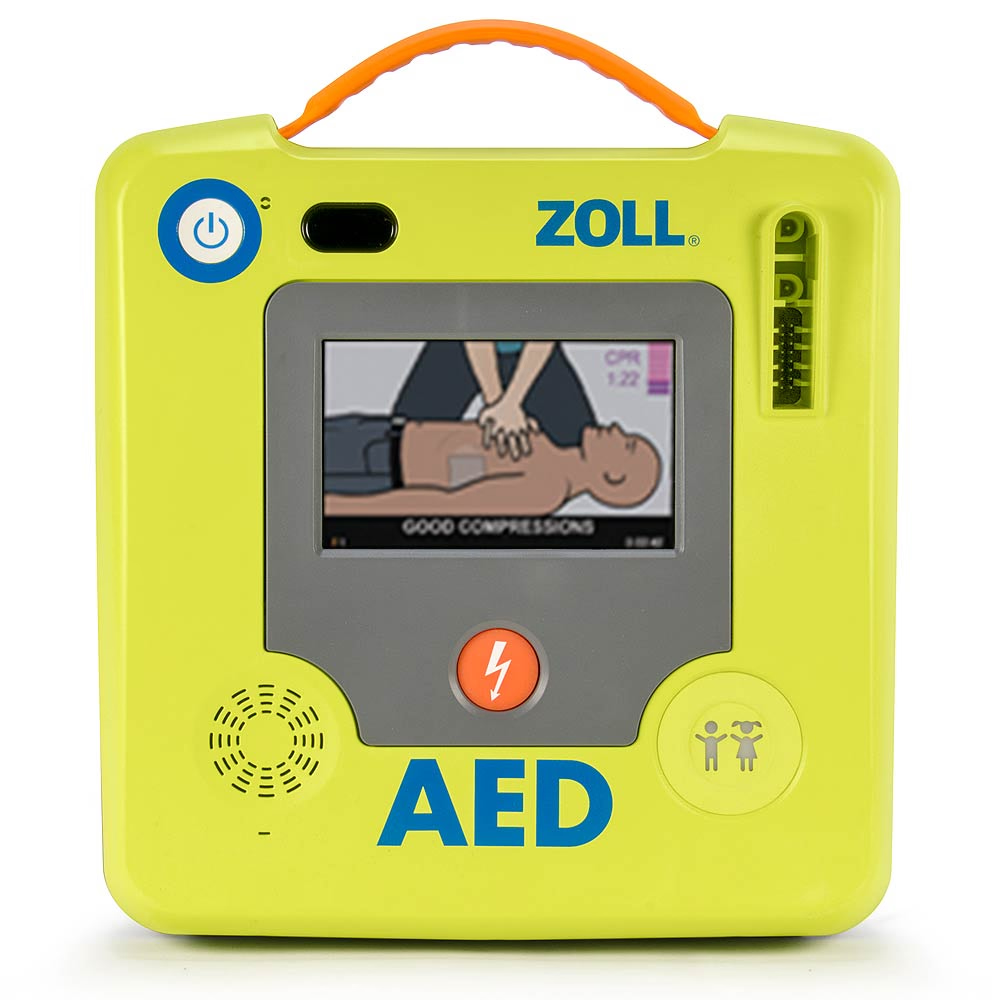
ZOLL AED 3
A ZOLL AED with one pads set for adults and children: move the pads, press Child and it lowers the s...
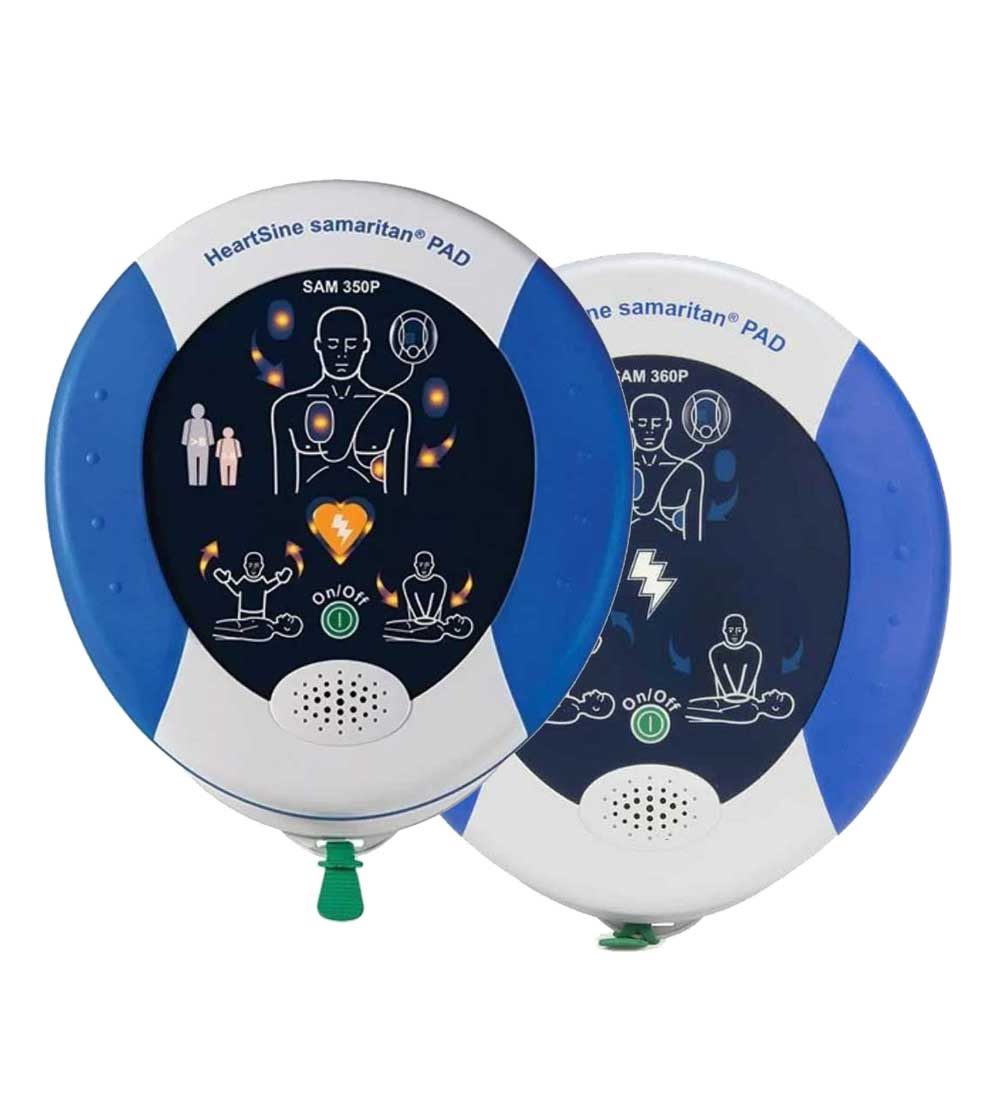
HeartSine Samaritan PAD 350P & 360P
A HeartSine AED that weighs 2.4 lb with its Pad-Pak, is IP56 rated and keeps the pads and battery in...
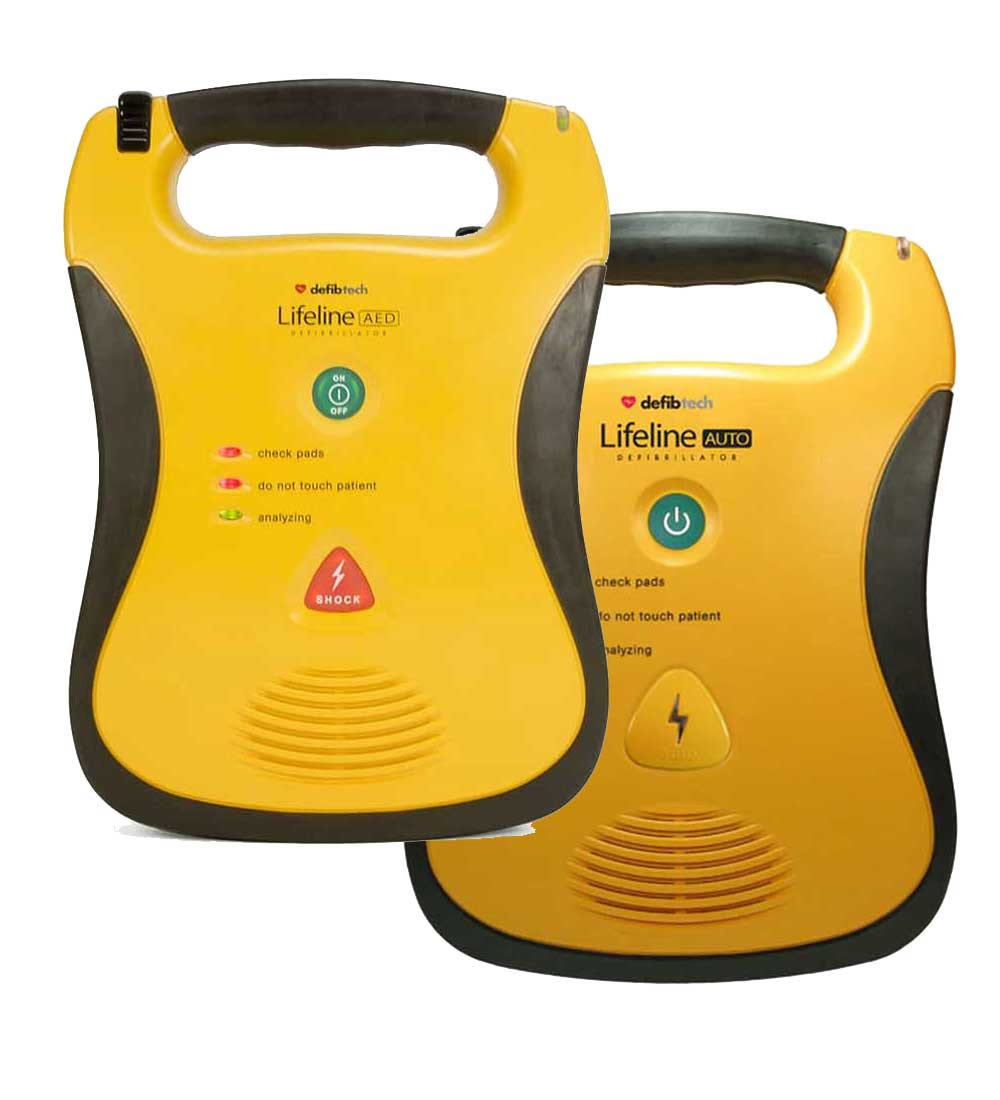
Defibtech Lifeline AED
Defibtech's Lifeline AED, sold as the semi-automatic DDU-100 or the fully automatic Lifeline AUTO (D...
Virginia AED FAQs
Is an AED required in Virginia?
What are the penalties for not having an AED in Virginia?
Do I need training to use an AED?
How often do AED pads and batteries need replacing?
Does Virginia have Good Samaritan protection for AED users?
Where should I place an AED in my building?
Protect Your Virginia Business Today
Every second counts during a cardiac emergency. Equip your facility with an FDA-approved AED, then register it with us to keep it rescue-ready.
Free AED program management for every AED you register. We track your pads and battery expiration dates automatically.
AED Kits for the Places State Laws Name
Many state AED rules name specific places, such as schools, gyms and dental offices. Each kit puts an AED in one cart with the parts a site usually adds, such as a wall cabinet or mount, signs and a response kit.
-
School AED Kit
A ZOLL AED 3, whose Uni-padz III pads and Child Mode cover adults and children, an alarmed wall cabinet, a 3D wall sign, a window decal and a response kit.
-
Gym and Fitness AED Kit
A fully automatic Cardiac Science Powerheart G5 AED, an alarmed surface mount wall cabinet, a 3D wall sign and a response kit.
-
Dental Office AED Kit
A Philips HeartStart FRx AED with its carry case, the infant/child key for young patients, AED signs and a response kit.
-
Church and Nonprofit AED Kit
A Defibtech Lifeline AED, an alarmed Cubix Safety surface mount wall cabinet, pediatric pads for children, a flush wall sign and a response kit.
-
Business and Office AED Kit
A Philips HeartStart OnSite AED with its carry case, a wall mount with AED signs, and a response kit with gloves, a CPR mask, scissors and a razor.