


A common misconception is that any sturdy box will do for an AED. In reality, the case is part of the response system. It protects the device from heat, cold, moisture, vibration, and accidental drops. Just as important, it organizes spare pads and a battery so a rescuer can work without delay. Small choices, like foam cutouts and latch design, can shave seconds off deployment and can prevent avoidable device failures.
The Bigger Picture
Automated external defibrillators save lives when they are accessible, functional, and deployed quickly. Your case choice directly influences all three. In an office or school, the case must make the AED visible and easy to grab while safeguarding it from spills and dust. In vehicles, the case must tolerate vibration and temperature swings, and it must secure safely to prevent the AED from becoming a projectile. At aquatic centers or outdoor venues, splash protection and corrosion resistance matter. For industrial sites, dust, oils, and rough handling are everyday realities that a case needs to absorb.
Think of the case as the control center for your AED program. A good one routes you to everything you need in sequence: AED, shears to cut clothing, a razor and wipe to prep the chest, spare pads for pediatric or second use, and a backup battery if your program requires one. It also extends the device lifespan by buffering environmental stress and by preventing pad packaging from being crushed or pierced in transit.
How to Choose the Right AED Case
Match the case to your device, environment, and response plan. Use these four criteria to narrow the field and avoid common pitfalls.
Compatibility and Fit
Confirm model-specific fit. Cases are often tailored to the AED model footprint and handle style. Look for precision foam that stabilizes the unit without over-compressing buttons or speaker grilles. Verify room for essentials you intend to carry, such as spare adult pads, pediatric pads if applicable, a backup battery, and a compact rescue kit with shears, gloves, razor, and wipe. If you routinely escort the AED to remote areas, choose a case that allows gloved hands to grab and go, and that opens flat so the device can be operated without removing it completely.
Environmental Protection
Ingress protection is your first filter. For most workplaces and public access programs, an IP54 target provides solid dust resistance and splash protection. If you anticipate heavy spray or fine particulates, look for higher IP ratings or gasketed lids. Temperature is the silent killer of AED readiness. Many manufacturer manuals specify storage around 32 to 122 F. A case cannot extend those limits but it buffers short exposures and shields from direct sunlight. For vehicles or outdoor posts, choose cases with high-impact ABS or similar plastics that resist UV, and check that the foam is closed-cell and fluid resistant.
Capacity and Organization
Time lost searching is time not delivering a shock. Favor layouts that dedicate one cavity per item and keep pad pouches flat and protected. Extra depth can be valuable for programs that carry pediatric pads or spare batteries, but avoid overpacking. Pressure on electrode pouches can compromise gel distribution. If you expect multiple responders to share the kit, add labeled compartments or a simple contents card so anyone can restock correctly after drills or use.
Deployment and Mobility
Choose latches that open positively in one motion without tools. Hinges should prevent the lid from slamming shut in wind or vehicle motion. High-visibility colors like yellow improve recognition in crowded or low light areas. If the AED rides in a truck, verify tie-down points or compatible brackets and consider a case that tolerates frequent loading. For teams moving across large campuses, a shoulder-carry option or lightweight construction reduces fatigue without sacrificing protection.
What the Standards Say
The American Heart Association emphasizes rapid defibrillation and device readiness in its public access defibrillation guidance. Practically, that translates to placing AEDs where they are visible and retrievable within a few minutes and performing routine checks to confirm status indicators, pads within date, and battery capacity. A case supports these goals by preventing incidental damage and making inspections straightforward.
OSHA’s Best Practices for Workplace AED Programs calls for a site assessment, trained responders, and a maintenance plan that documents inspections. While OSHA does not mandate a specific case type, inspectors will expect the AED to be protected from foreseeable hazards in your environment. A rugged, sealed case is a common solution for dusty, wet, or mobile work settings.
Ingress ratings use the IEC 60529 IP Code. If a case lists IP54, that means limited dust ingress and protection from water splashes from any direction. Higher numbers indicate tighter seals. Match the rating to your risk profile rather than simply chasing the highest spec. Tighter seals can trap moisture if the AED is put away damp, so procedures matter.
Local fire and building authorities may have rules on mounting height, signage, and keeping egress paths clear when you use wall cabinets. For vehicle installations, secure the AED according to your fleet safety policy so it cannot become a projectile. When in doubt, consult your authority having jurisdiction to align your case choice with enforcement expectations.
Pick a case that makes the right behavior the easy behavior. Preload the foam with a spare pad set and battery if your program stocks them, keep a small contents card under the lid with expiration dates, and place tamper tags where they signal use without slowing access. The best case is the one that speeds a calm, repeatable workflow under stress.
A Recommended Option
For Defibtech Lifeline users who need extra accessory storage and rugged protection, a purpose-built hard case is a smart upgrade from soft sleeves or generic luggage. The Defibtech deluxe yellow hard case pairs high-impact ABS construction with precision, fluid resistant foam that cradles the Lifeline or Lifeline AUTO. The foam cavities leave space for spare adult pads, pediatric pads if carried, a backup battery, and a compact rescue kit, which reduces rummaging at the patient’s side.
In practice, the case’s bright color improves visibility, and the robust latching keeps the lid secure in transit yet quick to open during an emergency. Programs that move between buildings or ride in vehicles will appreciate the added interior volume compared to standard hard cases, since it keeps all mission essentials in a single, protected package. If your assessment points to dust, splash, vibration, or frequent handling, this configuration aligns well with those realities.
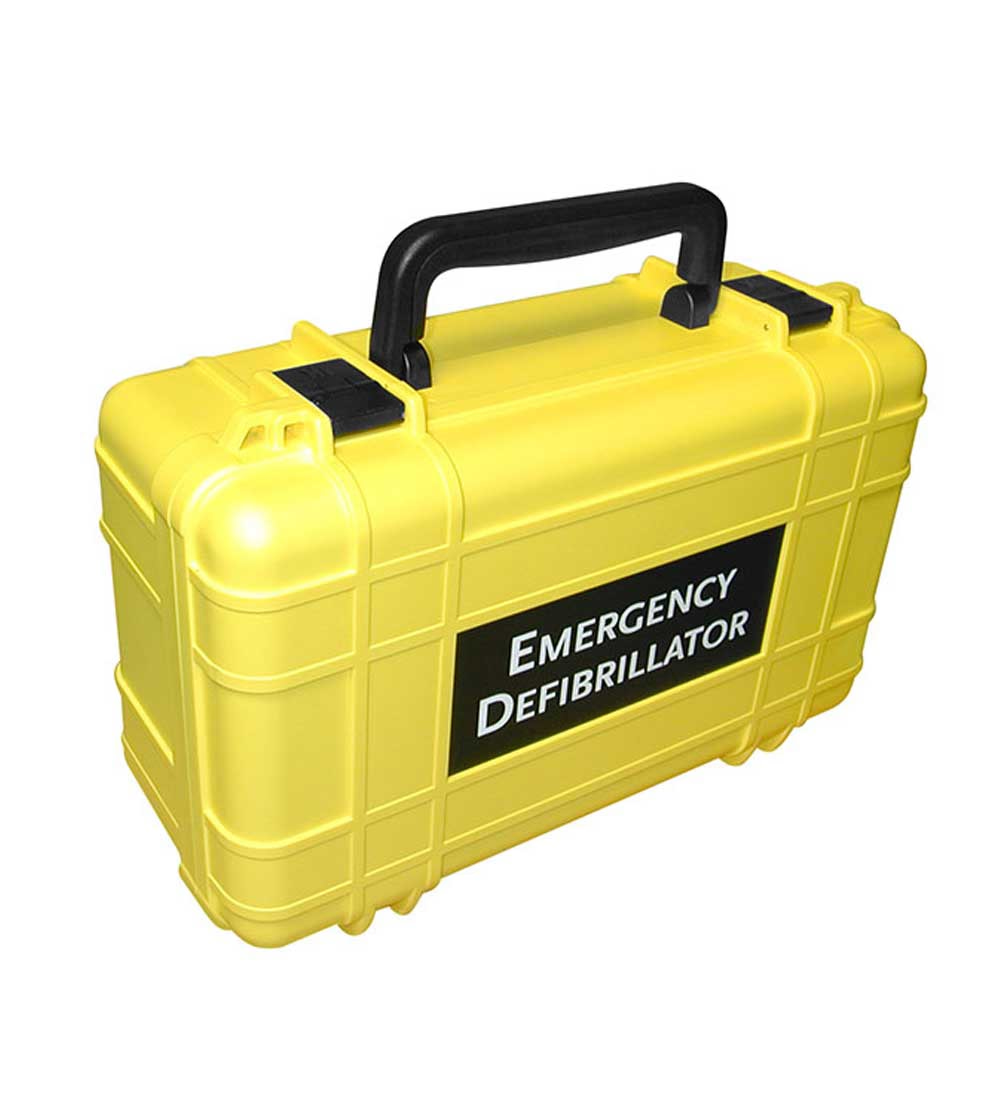
Defibtech Deluxe Hard Carrying Case - Yellow
Rugged ABS shell with precision, fluid resistant foam and expanded storage for spare pads, a backup battery, and a compact rescue kit. Built for visibility and fast access.
Mistakes to Avoid
Buying on size alone without test fitting the actual AED, pads, and battery. A case that pinches control buttons or compresses pad pouches can disable the device or damage consumables.
Ignoring temperature and humidity. Storing an AED in a hot vehicle or damp pool deck closet can spoil electrodes. Use a case as part of a plan to keep within the manufacturer’s recommended range and allow items to dry before sealing.
Overpacking the case. Extra gear feels reassuring but anything that slows access or crushes pad gel hurts performance. Carry only what you will actually deploy and label compartments for fast restock.
Choosing an AED case is about aligning protection, organization, and speed with the realities of your environment. Start with a clear picture of where the device lives and how it moves, confirm model fit and essential accessory capacity, then select ingress protection and visibility features that keep it safe and obvious. The right case turns a device into a dependable system, which is what matters most when seconds count.


